The possibilities are endless, and we’re here to help you get started.
The Benefits of Improvising in the Kitchen
Improvising in the kitchen can be incredibly liberating. By ditching the recipe and creating something new, you can tap into your creativity and experiment with flavors and ingredients you might not have tried before. Here are just a few benefits of improvising in the kitchen:
Tips for Improvising in the Kitchen
Improvising in the kitchen can be intimidating, especially if you’re new to cooking. Here are a few tips to help you get started:
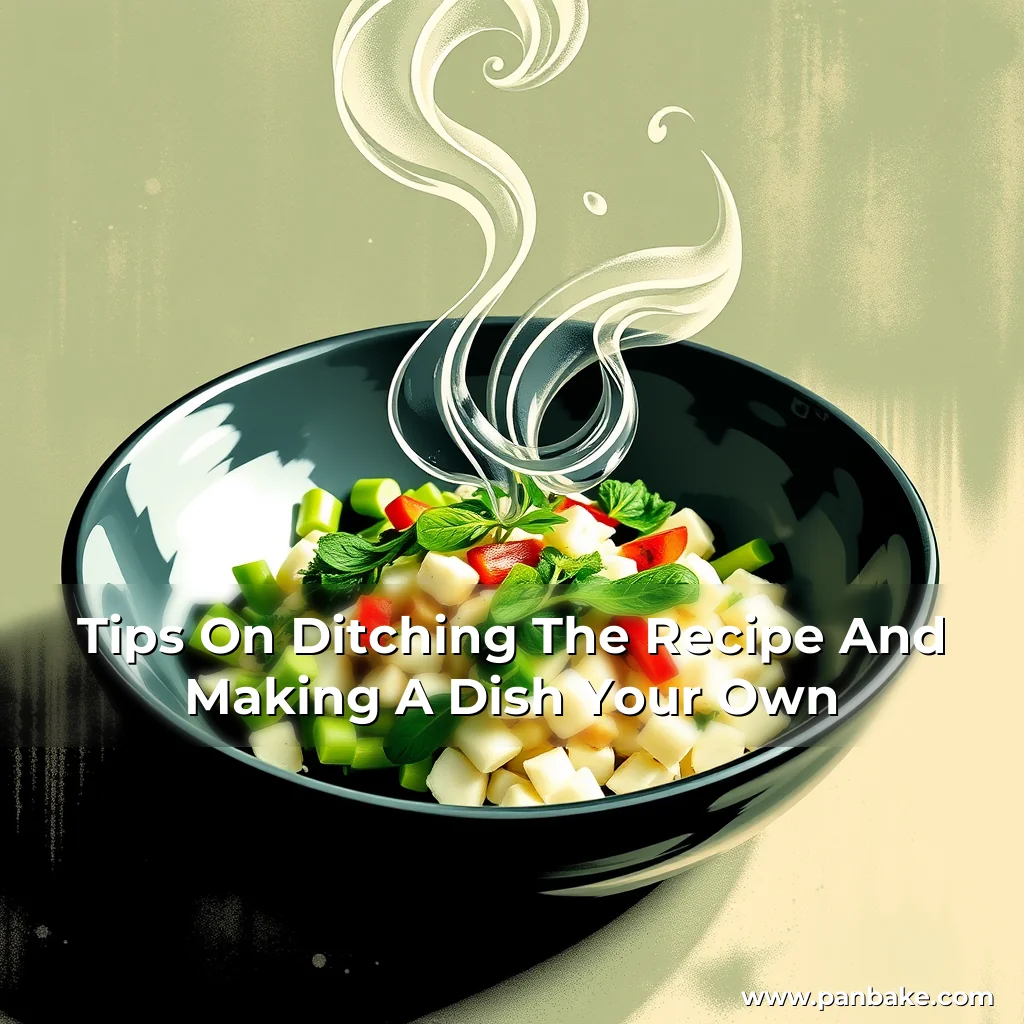
Break free from recipe constraints to unlock your creativity and develop your own unique cooking style.
Breaking Free from Recipe Constraints
When you’re first starting out, it’s natural to feel constrained by recipes. You may feel like you’re limited by the ingredients, cooking methods, and instructions provided. However, this is where the magic happens. By breaking free from these constraints, you can unlock your creativity and develop your own unique cooking style. Experiment with new ingredients: Try substituting ingredients with similar alternatives or exploring different cuisines.
Understanding the Basics of Recipes
To start, let’s break down the basic components of a recipe. A recipe typically consists of:
The Science of Cooking is a comprehensive guide that covers the fundamental principles of cooking, including the five primary flavor profiles. This book is a must-have for any serious home cook or professional chef.
Understanding the Five Primary Flavor Profiles
Understanding the five primary flavor profiles is essential for creating balanced and delicious dishes.
Sweet is a taste that is pleasing to the basic human senses. Umami is often associated with savory, meaty flavors, while sour and bitter are more commonly linked to acidic or astringent tastes. Sweet, on the other hand, is often associated with sugary or fruity flavors.
Understanding the Five Basic Tastes
The Five Tastes: A Fundamental Aspects of Human Perception
The five basic tastes are a fundamental aspect of human perception, and understanding them is essential for appreciating the complexities of flavor.
Exploring the diverse world of cooking methods, each with its own unique characteristics and benefits.
There are many variations of these cooking methods, and each has its own unique characteristics and benefits.
Cooking Methods: A World of Possibilities
When it comes to cooking, there are numerous methods to choose from, each with its own distinct characteristics and benefits. In this article, we’ll delve into the world of cooking methods, exploring the differences between baking, grilling, sautéing, and pan-frying.
Baking: The Art of Oven Cooking
Baking is a cooking method that involves cooking food in the oven. This method is ideal for cooking delicate foods such as cakes, cookies, and pastries. Baking allows for even heat distribution, which is essential for achieving the perfect texture and flavor. Key characteristics of baking: + Even heat distribution + Moisture retention + Crust formation
+ Easy to control temperature and time + Can cook multiple items at once + Preserves nutrients and flavors
Grilling: The Art of Outdoor Cooking
Grilling is a cooking method that involves cooking food over direct heat, typically using an outdoor grill. This method is ideal for cooking meats, vegetables, and fruits. Grilling adds a smoky flavor and a charred texture to the food. Key characteristics of grilling: + Direct heat application + Quick cooking time + Browning and caramelization
+ Adds smoky flavor and texture + Can cook a variety of foods + Enhances flavor and aroma
Sautéing and Pan-Frying: The Art of Stovetop Cooking
Sautéing and pan-frying are cooking methods that involve cooking food in a pan on the stove.
The Art of Substitution in Cooking
When it comes to cooking, substituting ingredients can be a game-changer. It allows home cooks to experiment with new flavors, ingredients, and recipes without having to worry about the limitations of traditional cooking methods.
Experimenting with Flavor Profiles
The beauty of this recipe lies in its versatility. The base of the risotto is a simple yet flavorful combination of Arborio rice, vegetable broth, and Parmesan cheese. However, the addition of various ingredients can elevate the dish to new heights. Here are some ideas to get you started:
Tips for a Perfect Risotto
Choosing the Right Rice
Cooking Techniques
Removing the okra will make the gumbo a little more brothy, but the okra’s thickening properties will still be present, albeit less pronounced.
The Art of Gumbo: Understanding the Role of Meat and Okra
Gumbo is a quintessential dish of Louisiana, a culinary masterpiece that has been perfected over centuries. At its core, gumbo is a rich and flavorful stew made with a combination of ingredients, including meat, okra, and a variety of spices.
However, some ground meats are more interchangeable than others.
Ground Meat Substitutions: A Guide to Swapping and Alternatives
When it comes to cooking with ground meats, it’s not uncommon to find yourself in a situation where you need to substitute one type of ground meat for another.
These seasonings can be used in a variety of dishes, from soups to salads, and even desserts.
The Power of Seasonings
Seasonings are a simple yet effective way to add flavor to any dish. They can be used to enhance the natural flavors of ingredients, or to create a completely new taste experience. With the right seasonings, even the most mundane dishes can be transformed into something exciting and delicious.
The Basics
Some of the most basic seasonings everyone should be using include:
These seasonings are staples in many cuisines around the world and can be used in a variety of dishes, from soups to salads, and even desserts.
Using Seasonings in Different Dishes
Seasonings can be used in a variety of dishes, including:
Experimenting with New Seasonings
While the basics are always a good starting point, there are many other seasonings to explore.
Starches can be found in a variety of foods, including grains, legumes, and root vegetables. Here are some common starches you might find in your favorite dishes:
Types of Starches
The Role of Starches in Cooking
Starches serve several purposes in cooking. They can be used as a thickening agent, a flavor enhancer, and a texture modifier. Here are some ways starches can be used in cooking:
The Art of Elevating Mashed Potatoes
Mashed potatoes are a staple side dish in many cuisines, but they can also be elevated to new heights with a few simple additions. In this article, we’ll explore some creative ways to take your mashed potatoes from bland to grand.
The Power of Flavor Enhancers
When it comes to adding flavor to mashed potatoes, the options are endless. Here are some popular flavor enhancers to consider:
The Magic of Garlic
Garlic is a fundamental flavor component in many cuisines, and it pairs particularly well with mashed potatoes.
Mastering the Art of Vegetable Substitution for Delicious Results.
The Art of Vegetable Substitution
Understanding the Basics
When it comes to cooking, substituting vegetables can be a great way to add variety to your dishes. However, it’s essential to understand the differences between various vegetables to ensure that the substitution works well in your recipe. Different vegetables have unique flavors, textures, and cooking times, which can significantly impact the final result.
Common Substitutions
Tips for Successful Substitution
They are also a great source of vitamins A, C, and K, as well as minerals like calcium and iron. Leafy greens are a superfood that can be incorporated into a variety of dishes, from salads to smoothies, and even as a pizza topping.
The Benefits of Leafy Greens
Leafy greens are a nutritional powerhouse, providing numerous health benefits when consumed as part of a balanced diet. Some of the key benefits include:
Collard greens have a slightly bitter taste, but are often used in soups and stews. Kale is a bit more bitter than spinach, but has a slightly sweet undertone. Mustard greens and collard greens are often used in combination with other greens to balance out their flavors.
The Versatility of Leafy Greens
Leafy greens are incredibly versatile and can be used in a variety of dishes, from soups to salads, and even as a pizza topping.
Turn Classic Dishes into Soups for a Fresh Twist on Meal Planning.
This creative approach to meal planning can be applied to many other dishes.
Creative Meal Planning: Turning Classics into Soups
When it comes to meal planning, many of us tend to stick to traditional recipes and ingredients. However, this approach can become stale and uninspiring. By turning classic dishes into soups, you can breathe new life into your meals and create a more exciting culinary experience.