The Ultimate Baking Pan Handbook: Mastering Materials, Sizes, and Techniques for Perfect Results Every Time
In the world of baking, where precision meets creativity, the humble baking pan serves as both foundation and canvas for countless culinary masterpieces. From delicate soufflés to towering layer cakes, the right pan can elevate your creations from good to extraordinary.
Beyond their functional role, baking pans are essential tools that influence texture, doneness, and even presentation. Choosing the best pan for your needs unlocks new possibilities in every kitchen.
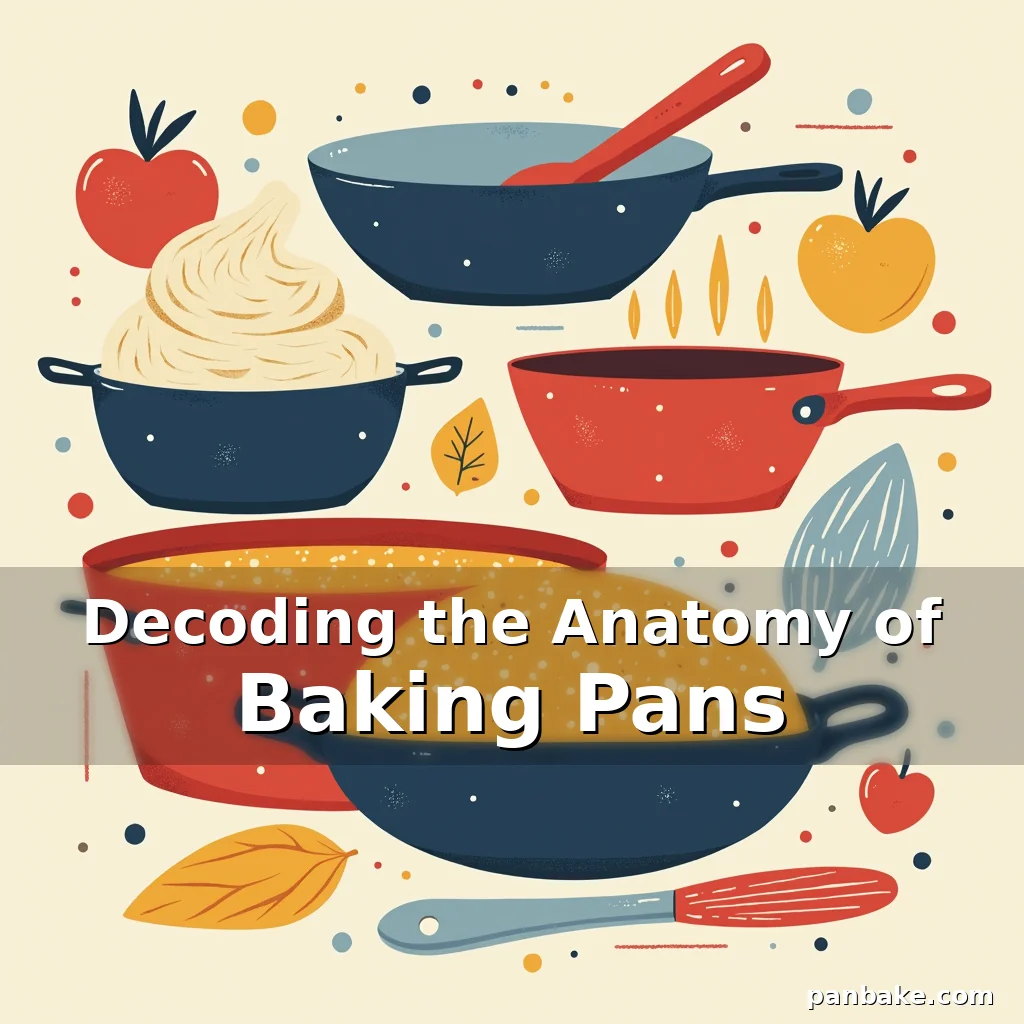
Decoding the Anatomy of Baking Pans
A well-designed baking pan features several critical components working in harmony. The base provides stability, while side walls determine heat distribution and rising space. Understanding these elements helps you select the perfect tool for any recipe.
Metal thickness plays an unexpected yet crucial role in performance. Thicker aluminum conducts heat faster but may not retain warmth as effectively as thinner steel options. This distinction impacts how evenly your baked goods cook across different areas.
- Material composition: Determines conductivity, durability, and non-stick properties
- Rim height: Influences rise potential for items like soufflés and angel food cake
- Bottom depth: Affects cooking time and browning consistency for various recipes
Non-stick coatings offer convenience but come with trade-offs. While they reduce the need for greasing, frequent use can degrade the coating over time, potentially affecting food release quality after prolonged usage.
Chef-grade pans often feature reinforced edges to prevent warping during high-heat applications. These subtle design choices make all the difference when attempting intricate desserts requiring precise temperature control.
Selecting the Right Material for Your Needs
Each material type brings distinct advantages to the table. Aluminum’s excellent thermal conductivity makes it ideal for quick-bread loaves and cookies, ensuring even browning without hot spots.
Stainless steel offers superior durability but requires careful monitoring since its slower heat conduction means longer preheating times. This characteristic might be beneficial for slow-cooking items like certain types of breads.
Cast iron retains heat exceptionally well, making it perfect for dishes that require long, steady temperatures such as cornbread or Yorkshire pudding. However, its weight makes it less convenient for everyday use compared to lighter alternatives.
Non-stick coated pans provide unmatched ease of cleaning and effortless food release. They’re particularly useful for delicate items like meringues or custards that might otherwise stick to regular surfaces.
Silicone molds offer flexibility and versatility, especially for no-bake desserts or delicate chocolate work. Their heat resistance allows safe use up to specified temperature limits, typically around 428°F (220°C).
Choosing between materials involves weighing factors like intended use frequency, desired outcome characteristics, and maintenance preferences. An experienced baker might maintain separate sets for specialty tasks rather than relying solely on multi-purpose pans.
Mastering Size Selection for Optimal Baking Performance
Proper sizing ensures consistent results by preventing undercooked centers or overly browned exteriors. Standard sizes vary based on common baking requirements, though custom dimensions exist for specialized techniques.
Pan dimensions significantly impact cooking dynamics. A deeper pan concentrates heat more intensely near the bottom, accelerating crust formation while risking overcooking at the top. Shallow pans distribute heat more evenly overall.
For standard recipes, following recommended size specifications is crucial. Altering dimensions too drastically can lead to unpredictable outcomes despite correct ingredient measurements.
When scaling recipes up or down, maintaining proportional volume changes proves more effective than simply adjusting linear dimensions alone. Volume considerations become especially important when dealing with leavened products.
Specialty pans have optimized dimensions tailored for particular uses. For example, soufflé pans feature tall sides to accommodate dramatic expansion during baking.
Measuring capacity accurately prevents common mistakes like overcrowding or leaving excessive empty space within the pan. Using measuring cups or graduated cylinders helps achieve exact volumes before filling.
Understanding Heat Distribution Patterns Across Different Pan Types
Heat distribution varies dramatically depending on construction materials and design features. Proper understanding enables better prediction of cooking behavior for each item being prepared.
Aluminum’s rapid heat transfer creates uniform cooking environments suitable for most home baking scenarios. It reaches optimal temperatures quickly, minimizing the risk of undercooked interiors.
Steel pans conduct heat more gradually, allowing greater control over cooking processes. This property benefits recipes requiring precise timing adjustments during preparation.
Cast iron’s exceptional heat retention maintains stable conditions once preheated, making it invaluable for complex dishes needing constant temperature levels throughout baking cycles.
Non-stick coatings insulate slightly against direct heat contact, which can affect how ingredients interact with the surface during baking reactions.
Recognizing these patterns helps anticipate and manage expected outcomes, reducing the likelihood of disappointing results due to misunderstood thermal behaviors.
Essential Techniques for Successful Baking Pan Usage
Proper preparation enhances results by creating favorable conditions for successful baking experiences. Following fundamental steps improves consistency across multiple batches.
Greasing pans correctly prevents sticking while avoiding excess oil absorption that could alter final textures. Using parchment paper simplifies cleanup while providing reliable separation from finished products.
Preheating procedures depend largely on material type. Non-metallic containers usually require separate oven warming rather than direct placement inside during initial heating phases.
Monitoring temperature fluctuations becomes easier with visual cues provided by dark-colored bases that show browning progress clearly visible through transparent glass lids.
Familiarity with manufacturer guidelines regarding safe operating ranges prevents damage to sensitive coatings or structural integrity issues arising from improper use practices.
Regular maintenance routines extend lifespan considerably. Cleaning methods should align with material compatibility standards to avoid premature degradation of protective layers.
Troubleshooting Common Baking Pan Issues
Even seasoned bakers encounter occasional challenges related to their equipment. Identifying root causes enables quicker resolution rather than repeating problematic situations repeatedly.
Uneven browning often stems from inconsistent heat distribution sources. Adjustments like rotating pans midway through baking sessions help compensate for localized temperature differences.
Food sticking problems frequently arise from inadequate preparation steps. Ensuring thorough coverage of grease or using silicone liners addresses many common adhesion concerns effectively.
Overfilling leads to messy spills and compromised structures forming during rising periods. Leaving adequate headspace accommodates expansion without causing overflow incidents.
Damaged coatings necessitate replacement rather than continued use posing health risks associated with flaked residues entering food preparations.
Warping issues generally result from exposure to extreme temperature shifts. Maintaining consistent cooling processes after removal from ovens prevents distortion problems developing over time.
Evolving Trends in Baking Pan Technology
Modern innovations continuously reshape expectations surrounding traditional bakeware items. New developments aim to enhance usability while preserving core functionality aspects.
Multi-functional designs now incorporate built-in thermometers or digital indicators showing real-time internal temperatures during baking cycles.
Smart technology integration allows remote monitoring capabilities via smartphone connections, enabling precise control over cooking parameters regardless of physical proximity.
Environmentally conscious manufacturers prioritize sustainable production methods using recycled materials wherever possible without sacrificing product quality standards.
Customizable options let users tailor dimensions according to specific project requirements beyond what conventional models currently offer.
Ongoing research explores alternative materials promising improved performance characteristics while addressing limitations inherent in current available choices.
Care and Maintenance Guidelines for Longevity
Proper care extends the life expectancy of your baking collection significantly. Implementing simple routines preserves functionality while maintaining aesthetic appeal.
Cleaning protocols must consider material specifics carefully. Acidic substances like lemon juice react differently with various metals requiring appropriate handling precautions.
Drying thoroughly after washing prevents moisture-related corrosion issues that develop over extended storage durations without proper ventilation measures.
Storage arrangements should minimize physical stressors contributing to deformation problems occurring naturally through repeated use scenarios.
Periodically inspecting for signs of wear ensures timely replacements before potential failures compromise safety or effectiveness during active baking sessions.
Maintaining records about purchase dates aids in tracking necessary replacements schedule based upon typical service lifespans established by industry benchmarks.
Conclusion
With this comprehensive guide to baking pans, you now possess the knowledge to choose, use, and maintain your bakeware with confidence and expertise.
By applying these principles consistently, you’ll transform ordinary baking experiences into exceptional culinary achievements worthy of professional recognition within the panbake community.