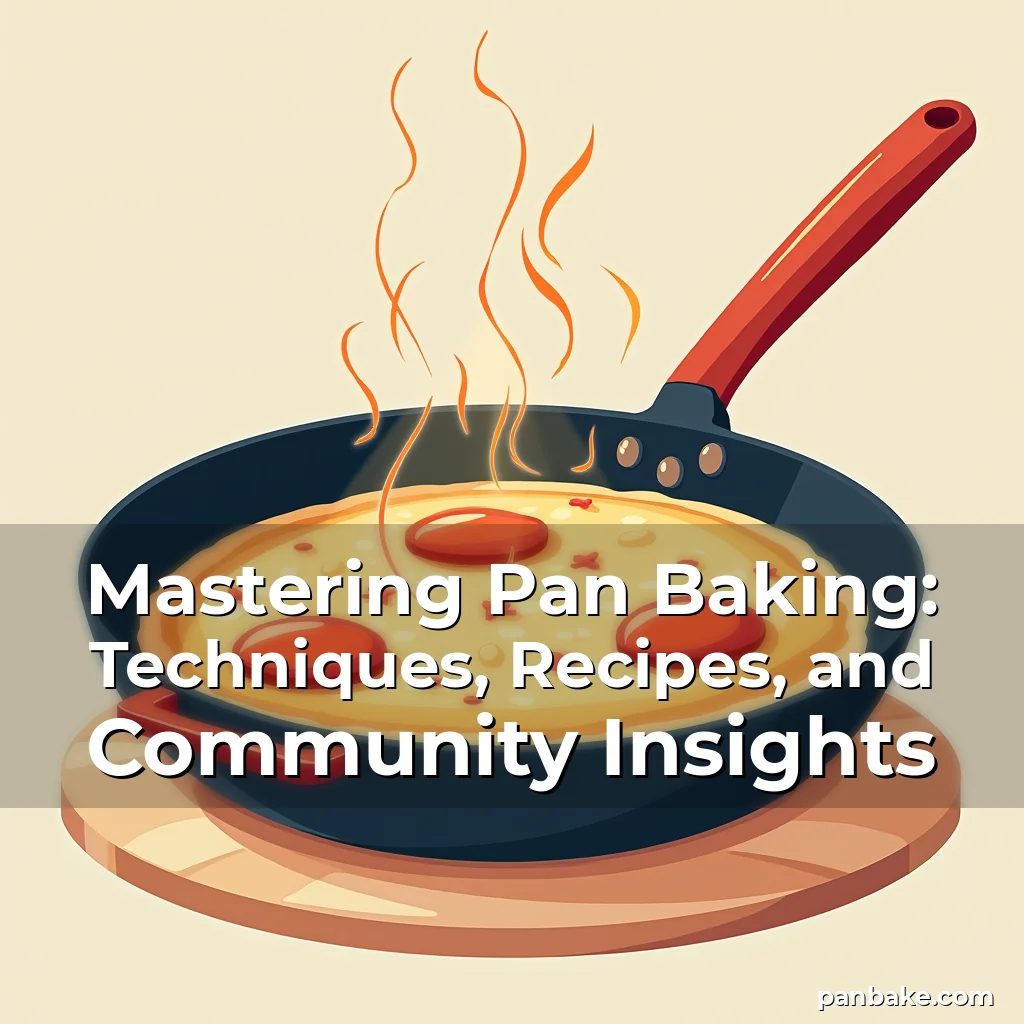
Mastering Pan Baking: Techniques, Recipes, and Community Insights
Pan baking has emerged as a beloved culinary tradition that unites people around the world through shared passion and creativity. This technique involves shaping dough directly onto a flat surface before transferring it to a pan for cooking—a method deeply rooted in cultural heritage yet continuously evolving with modern innovations.
The appeal of pan baking lies in its simplicity, versatility, and ability to produce delicious results with minimal equipment. Whether you’re crafting fluffy sourdough loaves or crispy flatbreads, mastering this art opens up endless possibilities for experimentation and personal expression in the kitchen.
The Art of Pan Baking: A Global Tradition
Date back thousands of years to ancient civilizations that discovered ways to cook food using heated stones and clay vessels. These early methods laid the foundation for modern pan baking techniques we practice today.
Cultures across Asia, Africa, Europe, and the Americas developed unique variations of pan baking tailored to local ingredients and traditions. From Indian roti to Mexican tortillas, each region contributed distinct flavors and approaches to this age-old craft.
The fundamental principle remains unchanged—the transformation of simple ingredients into nourishing meals through controlled heat application. This consistency underscores the enduring relevance of pan baking practices worldwide.
Essential Tools for Successful Pan Baking
A well-equipped pan baker understands the importance of selecting quality tools that enhance performance and safety during preparation processes.
The primary requirement is a sturdy work surface suitable for kneading and shaping dough without causing damage. Wooden boards provide excellent grip properties compared to glass countertops which may become slippery when wet.
- Kneading surfaces: Optimal materials include wooden slabs, marble tiles, or non-stick silicone mats designed specifically for dough manipulation
- Baking pans: Choose thick-gauge stainless steel or cast iron options that distribute heat evenly and retain warmth effectively
- Kitchen thermometers: Essential for monitoring internal temperatures to achieve perfect doneness without overcooking
In addition to basic necessities, specialized accessories like rolling pins, pastry brushes, and digital timers significantly improve precision and efficiency when working with delicate doughs.
Fundamental Pan Baking Techniques Every Baker Should Know
Mastery begins with understanding core principles governing successful outcomes regardless of recipe complexity or ingredient composition.
Proper hydration levels determine texture characteristics ranging from chewy crusts to airy interiors. Experimentation with water ratios helps identify ideal balances for desired final products.
Temperature control plays critical roles throughout entire baking cycles—from initial proofing stages to final oven exposure periods. Maintaining consistent environments prevents undesirable changes affecting flavor development.
The Science Behind Rising Dough
Yeasted dough undergoes biochemical reactions triggered by warm temperatures and moisture content. These transformations cause expansion resulting in light, porous structures characteristic of well-baked goods.
During fermentation phases, sugars convert into carbon dioxide gas bubbles trapped within gluten networks formed during kneading actions. This natural leavening mechanism gives baked items their signature textures.
Variety of Bread Styles Created Through Pan Baking
One remarkable feature of pan baking is its adaptability allowing creation of diverse bread forms catering to various tastes preferences globally.
Sourdough enthusiasts appreciate tangy complexities achieved through wild yeast cultures naturally present in air and flour mixtures. Regular baker’s yeast offers predictable rise times preferred for quick meal preparations.
Flatbread varieties demonstrate how thin layers respond uniquely to direct heat applications producing crisp exteriors contrasting soft interiors. Regional specialties often incorporate spices or herbs enhancing sensory experiences beyond mere sustenance.
Troubleshooting Common Issues in Pan Baking
Even seasoned bakers occasionally encounter challenges requiring adjustments to standard procedures. Identifying root causes enables effective solutions minimizing future occurrences.
Undercooked centers frequently result from insufficient preheating durations or improper temperature regulation settings. Ensuring ovens reach recommended ranges before placing items inside resolves most cases promptly.
Overproofed dough exhibits collapsed structures due to excessive rising periods weakening structural integrity. Monitoring timelines carefully maintains optimal conditions preventing such failures.
The Role of the PanBake Community in Advancing Culinary Practices
Online forums, social media groups, and dedicated websites connect passionate individuals sharing knowledge accelerating collective progress in this field.
Members exchange tested recipes, troubleshoot problems collaboratively, and showcase creative interpretations expanding traditional boundaries established by historical practices.
This collaborative spirit fosters innovation leading to novel combinations previously unimaginable limited solely to conventional wisdom passed down generations.
Advanced Tips for Elevating Your Pan Baking Skills
Proficient bakers continually seek opportunities refining techniques pushing limits toward achieving exceptional results consistently.
Experimenting with alternative flours introduces interesting textures and nutritional benefits complementing classic wheat-based formulations commonly used traditionally.
Temperature gradients created by varying pan placements affect browning patterns influencing visual appeal alongside taste profiles depending upon heat distribution dynamics.
Conclusion
Pan baking represents much more than just preparing food—it embodies cultural connections spanning continents while embracing technological advancements improving accessibility for all skill levels.
Whether you’re a novice discovering new passions or an expert seeking continuous improvement, active participation within supportive communities ensures ongoing growth and enjoyment associated with this timeless tradition.
“`